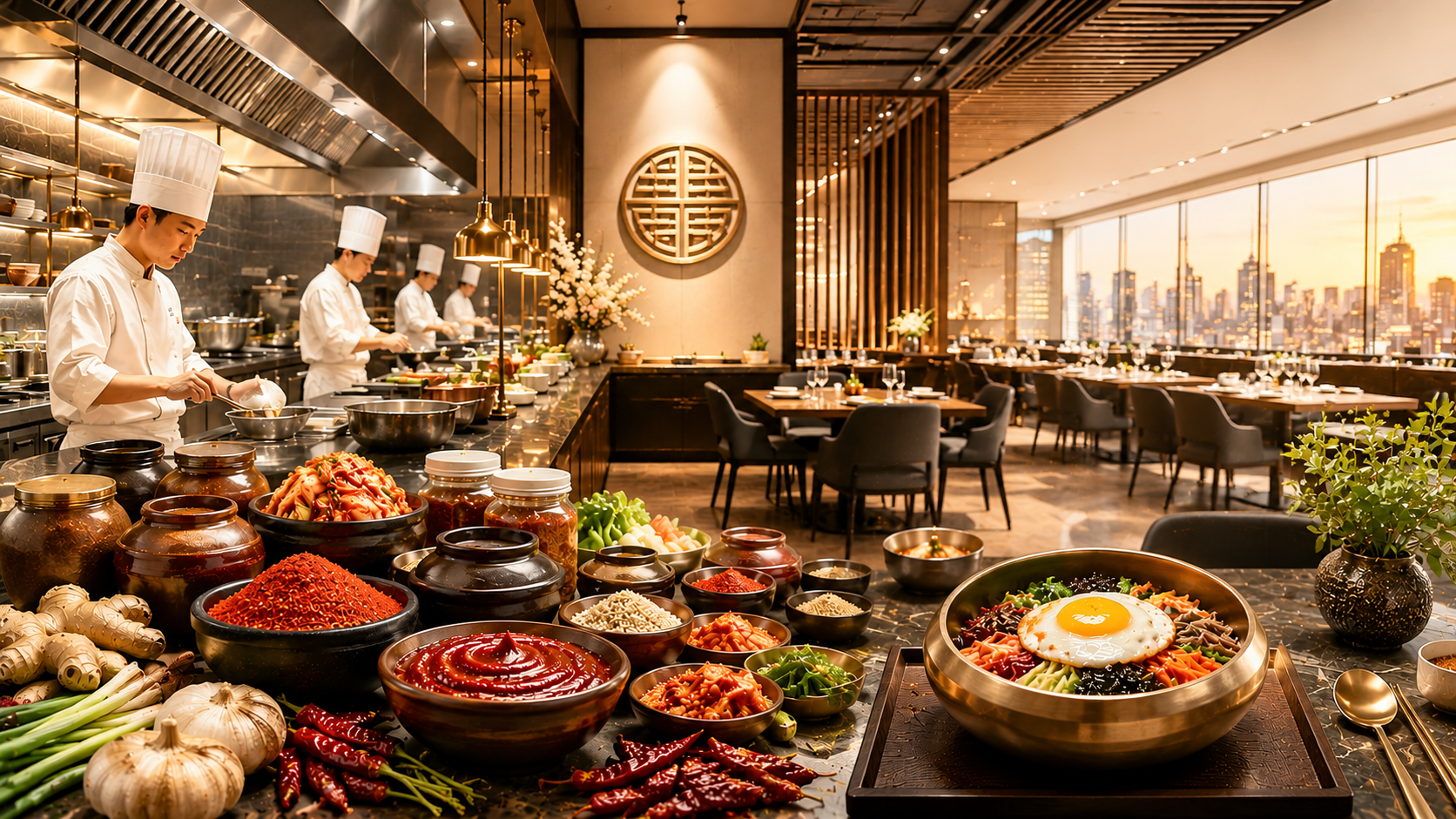
Korean seasonings are driving growth in the processed food industry through their distinctive flavors and the global popularity of Korean cuisine. Manufacturers should standardize quality, innovate recipes, and adopt advanced technology to meet domestic and export market demands
In recent years, Korean cuisine has expanded far beyond traditional restaurants to become a major source of inspiration for Vietnam's processed food industry. From Korean barbecue marinades and packaged kimchi to ready-to-use seasoning blends for convenience foods, Korean flavors have gained significant market share by successfully combining cultural appeal with Vietnamese taste preferences.
1. The Korean Flavor Boom in Processed Foods
The rapid growth of Korean pop culture has significantly influenced the eating habits of Vietnamese consumers, particularly younger generations. Today, consumers no longer want to enjoy Korean cuisine only at restaurants—they also want to recreate those authentic flavors at home. This growing demand presents both a challenge and an opportunity for food manufacturers to incorporate Korean-inspired seasonings into their product portfolios and strengthen customer loyalty.
2. Why Korean Seasonings Are Winning the Market
What makes Korean seasonings one of the most valuable ingredients in today's processed food industry?
Flavor Profiles That Match Vietnamese Preferences
Popular Korean seasonings such as Gochujang (Korean chili paste), Doenjang (fermented soybean paste), and Korean-style marinades offer a balanced combination of spicy, savory, sweet, and tangy flavors that closely align with Vietnamese culinary preferences.
Exceptional Versatility
Korean seasonings can be used in barbecue marinades, hot pot bases, fried food coatings, dipping sauces, and many other applications. They also blend naturally with Vietnamese ingredients, creating innovative products without compromising the authenticity of either cuisine.
Convenience for Modern Consumers
Busy lifestyles continue to drive demand for ready-to-cook and ready-to-use food products. Korean-inspired seasoning solutions allow consumers to prepare authentic Korean-style meals quickly and conveniently without sacrificing flavor.
3. CiCook's Role in Developing Korean Seasoning Solutions
Successfully introducing Korean flavors into processed foods requires professional product development and manufacturing capabilities. CiCook provides comprehensive solutions to help businesses achieve this goal.
Customized Product Development
CiCook's R&D specialists help businesses develop Korean-inspired seasoning products that preserve authentic Korean characteristics while carefully adapting flavor profiles to better suit Vietnamese consumer preferences.
Consistent Industrial Manufacturing
CiCook's advanced manufacturing facilities produce Korean-style sauces and seasonings on a large scale while maintaining consistent quality, making them suitable for food manufacturers, restaurant chains, and nationwide distribution networks.
International Food Safety Standards
Every seasoning product manufactured by CiCook complies with internationally recognized food safety standards, including HACCP, ISO 22000, and FSSC 22000, providing businesses with confidence in product quality and regulatory compliance.
4. Strategic Opportunities for Food Manufacturers
Businesses looking to capitalize on the growing popularity of Korean flavors should consider the following strategies:
-
Expand Product Categories
Go beyond barbecue sauces by developing Korean-inspired seasonings for soups, stews, snacks, fried foods, and other convenience products. -
Partner with an Experienced Manufacturing Company
Work with CiCook to create proprietary Korean-style seasoning products that differentiate your brand from mass-market competitors. -
Combine Korean Flavors with Health-Conscious Trends
Develop products using natural ingredients, Clean Label formulations, and preservative-free recipes to attract consumers seeking healthier food options.
The demand for Korean-inspired seasonings in processed foods continues to grow rapidly, creating valuable opportunities for forward-thinking food companies. By partnering with an experienced manufacturer like CiCook, businesses can transform Korean culinary trends into sustainable growth while strengthening their position in Vietnam's competitive food industry.
Frequently Asked Questions
1. Why is incorporating Korean seasonings into processed foods considered a promising growth strategy?
Korean seasonings closely match Vietnamese taste preferences through their balanced combination of spicy, savory, sweet, and umami flavors. They also appeal strongly to younger consumers who enjoy Korean culture and convenient meal solutions, making them highly attractive for processed food products.
2. How can manufacturers localize Korean seasonings while preserving their authentic character?
The most effective approach is to collaborate with an experienced R&D team, such as CiCook's, to carefully adjust ingredient ratios and flavor intensity. This allows products to maintain the authentic essence of ingredients like Gochujang and Doenjang while better matching local consumer preferences.
3. How can manufacturers maintain consistent quality in large-scale Korean seasoning production?
Consistency depends on partnering with manufacturers equipped with advanced automated production systems and internationally certified quality management programs such as HACCP, ISO 22000, and FSSC 22000. These systems ensure precise formulation, standardized production, and reliable quality across every manufacturing batch.
#CiCook #CiCookFactory #ODMManufacturing #OEMManufacturing #KoreanSeasonings #PrivateLabel #ChefLessSolution #FranchiseInABox #ISO22000 #HACCP #FDACertified #FlavorInnovation #ProfessionalQuality