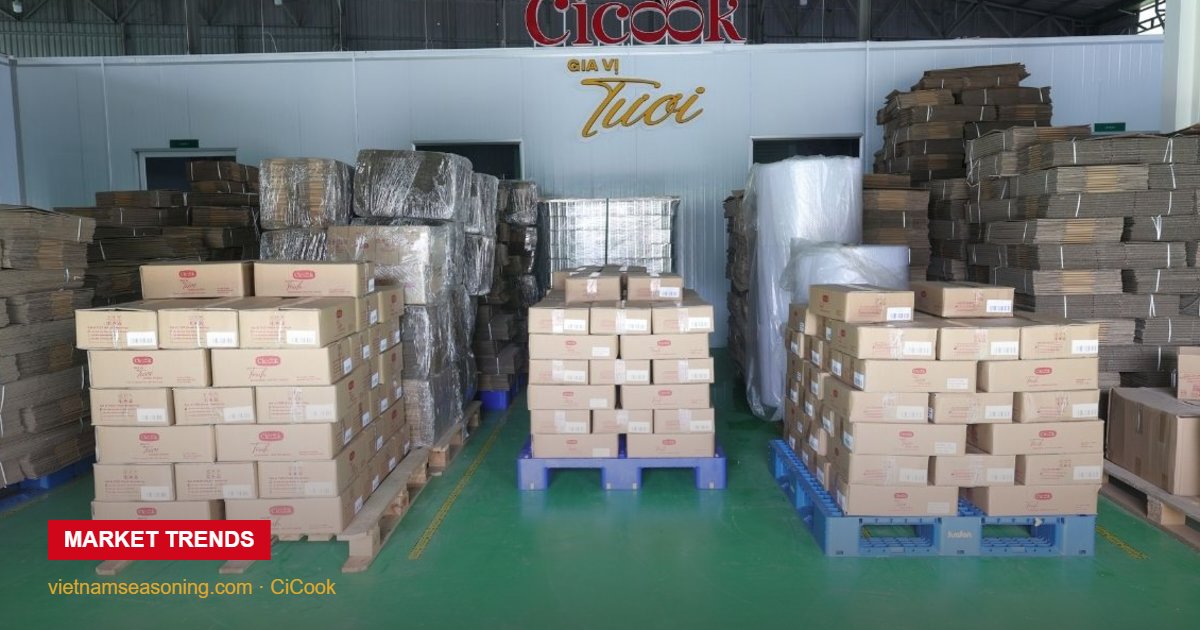
Drewry's WCI fell 3% to $4,429 per 40ft on 29 Oct 2026 as Transpacific rates dropped. What it means for sauce importers' freight budgets.
Container freight rates eased at the end of October 2026: Drewry's World Container Index fell 3% to $4,429 per 40ft container on 29 October, led by Transpacific declines, while Asia–Europe rates held steady. Sauce importers should check quote validity closely, because carriers' November increases may not hold.
1. What happened to container freight rates in late October 2026?
Spot container rates out of Asia turned lower in the last week of October 2026. In its assessment dated 29 October 2026, Drewry reported that the World Container Index (WCI) composite dropped 3% to $4,429 per 40ft container, mainly because Transpacific rates fell, ending a two-week rise. One week earlier, on 22 October, the same index had climbed 2% to $4,585, its highest level in 15 weeks, according to a Drewry summary published by Cyprus Shipping News.
The split between trade lanes matters for food importers. Shanghai–Los Angeles fell 6% to $7,514 and Shanghai–New York fell 5% to $9,631, while Shanghai–Rotterdam edged up 1% to $3,686 and Shanghai–Genoa stayed flat at $4,151.
2. Key figures: how did the main lanes move in one week?
The table below compares the two most recent Drewry WCI readings for the four lanes published in the free summaries. The "weekly change" column is our own calculation from those figures.
| Route (spot, US$ per 40ft) | 22 Oct 2026 | 29 Oct 2026 | Weekly change |
|---|---|---|---|
| WCI composite | 4,585 | 4,429 | −156 (−3%) |
| Shanghai – Los Angeles | 8,007 | 7,514 | −493 (−6%) |
| Shanghai – New York | 10,166 | 9,631 | −535 (−5%) |
| Shanghai – Rotterdam | 3,632 | 3,686 | +54 (+1%) |
| Shanghai – Genoa | 4,152 | 4,151 | −1 (stable) |
Sources: Drewry WCI assessment of 29 Oct 2026; Drewry WCI of 22 Oct 2026 as reported by Cyprus Shipping News (26 Oct 2026).
Two points stand out. First, a US-bound 40ft box still costs roughly two to 2.6 times as much as one bound for North Europe on these benchmarks. Second, the WCI measures departures from Shanghai, not Vietnam, so it shows direction rather than the exact rate for a container loaded in Ho Chi Minh City or Hai Phong.
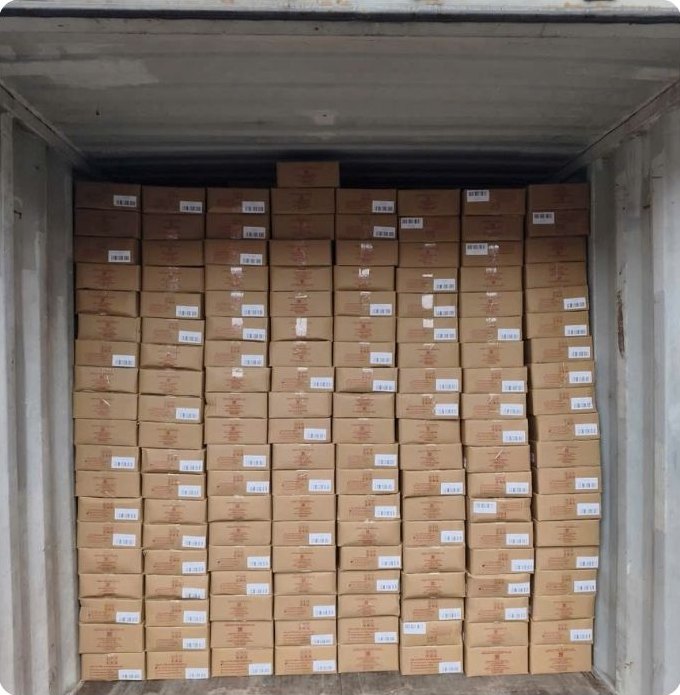
Cartons stacked tightly inside a shipping container before the doors are closed.
3. Will freight rates keep falling in November 2026?
Drewry's short-term view is mixed: it expects Transpacific rates to decrease again in the following week and Asia–Europe rates to stay stable. Carriers have announced November FAK (freight-all-kinds) increases, but Drewry noted it is uncertain whether these will hold. Capacity management is the other signal to watch: Drewry counted six blank sailings on the Transpacific for the coming week, up from five, and four on Asia–Europe, down from eight.
Port conditions also feed into rates. Drewry reported easing congestion at Shanghai, while flagging a typhoon as a risk. The 22 October summary noted that vessel waiting times at Shanghai had fallen from 97 hours in week 38 to 38 hours in week 42.
4. Challenges for sauce and seasoning buyers
- Volatility versus shelf life. Sauces carry best-before dates, so waiting weeks for a better rate can eat into the selling window at destination.
- Heavy, low-value cargo. Glass jars and canned sauces are dense, so freight can be a larger share of landed cost than for light, high-value goods.
- Benchmark gap. Published indices track major Chinese ports; Vietnam-origin quotes can differ by carrier, routing and transhipment.
- Surcharges. Announced general rate increases, FAK changes and peak or congestion surcharges may appear on invoices even when headline indices fall.
5. How should importers budget freight for a sauce container?
Budget freight per unit, not per box, and refresh the numbers with every quote. A practical checklist:
- Ask for Vietnam-origin quotes from two or three forwarders on the same date, and compare them with the latest WCI direction.
- Check validity and surcharges: confirm how long the quote holds, and whether announced November increases are included or excluded.
- Calculate freight per unit: (ocean freight + surcharges + origin and destination charges) ÷ units loaded. Recalculate when pack size or pallet pattern changes.
- Use the full container: mixing compatible SKUs, or switching to lighter pouches where suitable, can lower the cost carried by each unit. Our guide to packaging costs and shelf life covers the trade-offs.
- Keep paperwork ready so a cheaper sailing is not missed for lack of documents; see the export documents buyers should request.
6. What this means for importers and brands
Softer Transpacific rates give US buyers some room to negotiate, while Europe-bound buyers face steadier but not falling costs, so timing and container fill matter more than chasing the bottom of the market. CiCook packs sauces in jars, bottles, cans, pouches, sachets or bulk and has capacity of up to 20 containers per month across three factories, which helps buyers plan shipments around freight windows; details on export partnership with CiCook are available on our site.
FAQ
Does the Drewry WCI show rates from Vietnam?
No. The lanes in Drewry's free summaries start in Shanghai. Use the index to read market direction, and get Vietnam-origin quotes from forwarders for budgeting.
Should I book now or wait for lower rates?
It depends on your stock cover and product shelf life. Drewry expects further Transpacific softening but stable Asia–Europe rates, so many buyers book to their sales calendar and negotiate validity rather than wait.
Planning a sauce or seasoning shipment from Vietnam? Contact CiCook or message us on WhatsApp/Zalo +84 824 084 408.