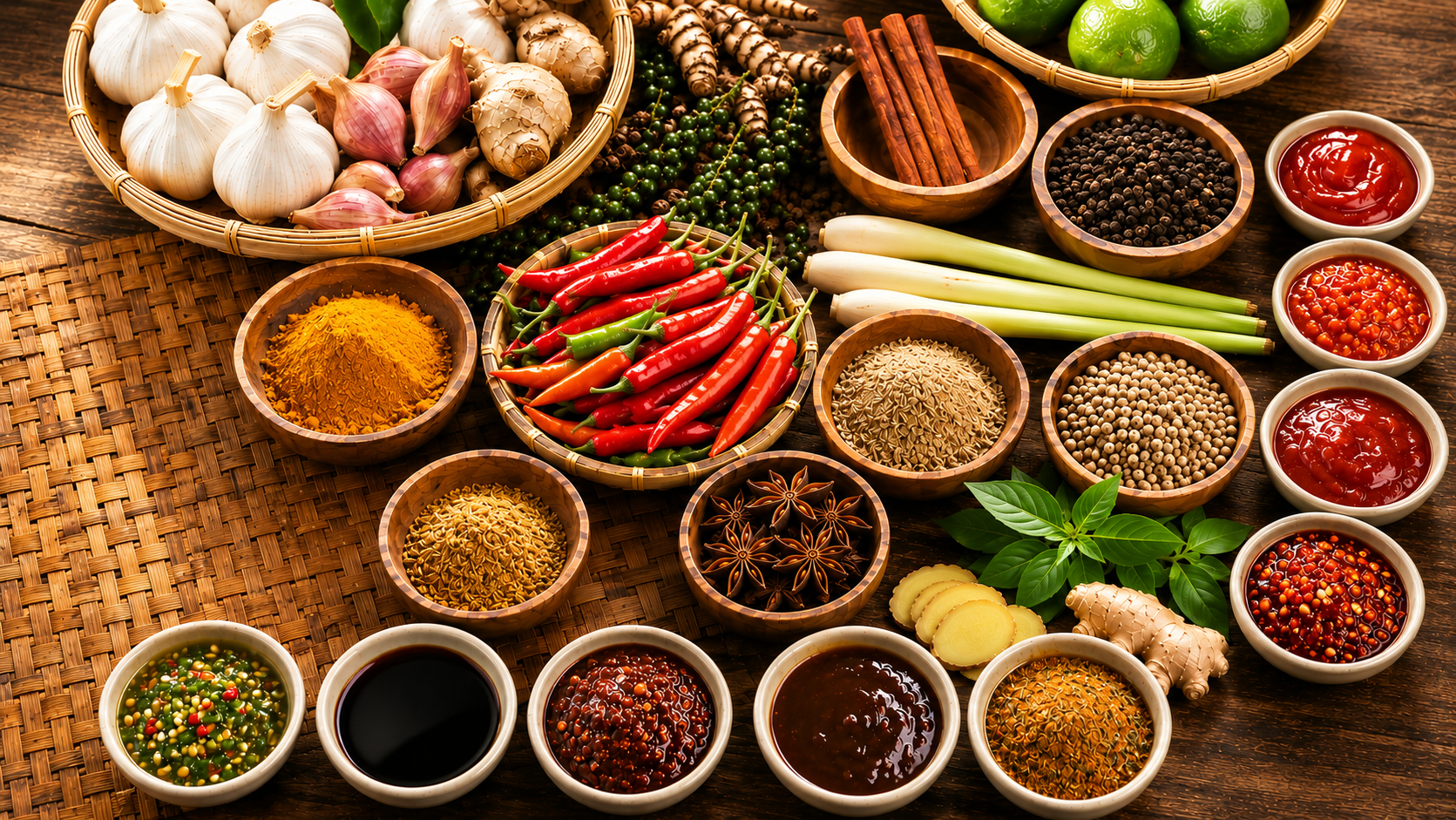
Popular Vietnamese seasonings such as fish sauce, pepper, chili, garlic, ginger, and herbs create the distinctive flavors of Vietnamese cuisine. Standardized recipes and consistent quality help preserve authentic tastes. CiCook provides end-to-end ODM/OEM solutions for developing high-quality, reliable seasoning products
Vietnamese cuisine is celebrated worldwide for its balance, freshness, and remarkable harmony of flavors. Behind every iconic Vietnamese dish lies a collection of traditional seasonings—the quiet yet essential ingredients that transform simple foods into unforgettable culinary experiences.
1. Seasonings: The Soul of Vietnamese Cuisine
If a dish is a work of art, seasonings are the colors that bring it to life.
Vietnamese cooking is built upon carefully balancing flavors rather than simply adding salt or spice. Every seasoning is chosen to enhance the natural character of the main ingredients, creating dishes that are both flavorful and harmonious.
This philosophy has become one of the defining characteristics of Vietnamese gastronomy.
2. Essential Seasonings in Every Vietnamese Kitchen
Whether preparing a light soup or a rich braised dish, these traditional seasonings form the foundation of Vietnamese cooking.
Fish Sauce
Often considered the king of Vietnamese seasonings, fish sauce is produced through the natural fermentation of anchovies and sea salt. Beyond seasoning food, it serves as the foundation of countless dipping sauces and enhances the flavor of everything from home-style meals to fine dining cuisine.
Shallots, Garlic, Chili, and Ginger
This classic combination forms the aromatic base of stir-fries, braised dishes, soups, and marinades. Together, these ingredients eliminate unwanted odors while adding layers of fragrance, warmth, and complexity.
Fresh Herbs
Coriander (cilantro), Thai basil, Vietnamese balm, dill, perilla, and many other fresh herbs provide freshness, aroma, and balance. They are indispensable ingredients in dishes such as pho, rice noodle bowls, fresh spring rolls, and salads.
Traditional Aromatic Spices
Star anise, cinnamon, black cardamom, and other warming spices create the distinctive fragrance and naturally sweet aroma found in authentic Vietnamese pho broth and many slow-cooked dishes.
3. Blending Tradition with Modern Convenience
As modern lifestyles become increasingly busy, many households and restaurant chains are turning to professionally blended seasoning products.
Rather than replacing tradition, these products help preserve authentic flavors while improving consistency.
Ready-to-Use Marinades and Sauces
Prepared barbecue marinades, braising sauces, and seasoning blends ensure consistent flavor every time a dish is prepared.
Ready-Mixed Dry Seasonings
Convenient seasoning blends reduce preparation time while maintaining the layered flavors that define traditional Vietnamese cooking.
The Role of Professional Manufacturers
Today's seasoning manufacturers apply advanced food technology to extract natural flavors from traditional ingredients, creating clean, safe, and convenient products that preserve authentic Vietnamese taste while meeting the rigorous quality standards required by the modern F&B industry.
4. Discovering the Authentic Taste of Vietnam
To consistently prepare authentic Vietnamese dishes, consider these practical guidelines.
1. Choose High-Quality Ingredients
Select seasonings made from natural ingredients with transparent sourcing and trusted manufacturing standards.
2. Add Seasonings at the Right Time
Garlic and shallots should be sautéed at the beginning of cooking to develop aroma, while fresh herbs should be added just before serving to preserve their delicate fragrance.
3. Embrace Culinary Creativity
Don't hesitate to combine traditional Vietnamese seasonings with modern sauces and flavor profiles to create innovative dishes while respecting authentic culinary traditions.
Conclusion
Vietnamese seasonings represent the heritage, culture, and culinary identity of Vietnam.
Understanding how to use these ingredients correctly not only helps create delicious meals but also preserves and shares the rich traditions of Vietnamese cuisine with future generations and food lovers around the world.
Frequently Asked Questions
1. How can ready-made seasoning blends still preserve authentic Vietnamese flavors?
Answer:
Modern seasoning blends are developed using advanced extraction technology that captures the natural essence of ingredients such as fish sauce, garlic, onions, herbs, and spices. This allows home cooks and professional chefs to recreate authentic Vietnamese flavors while saving preparation time.
2. Why are fresh herbs and aromatic spices so important in Vietnamese cuisine?
Answer:
Fresh herbs and spices—including basil, coriander, star anise, cinnamon, and black cardamom—balance flavors, enhance aroma, reduce unwanted odors, and create the distinctive taste profiles that define iconic Vietnamese dishes such as pho, noodle bowls, and fresh spring rolls.
3. How can consumers choose high-quality seasonings in today's competitive market?
Answer:
Look for brands that provide transparent ingredient sourcing, prioritize natural Clean Label formulations, and manufacture products under internationally recognized food safety standards such as ISO 22000 and HACCP to ensure both quality and consumer safety.
#CiCook #CiCookFactory #ODMManufacturing #OEMManufacturing #VietnameseSeasonings #PrivateLabel #VietnameseCuisine #CleanLabel #ChefLessSolution #FranchiseInABox #ISO22000 #HACCP #FSSC22000 #FDACertified #FoodInnovation