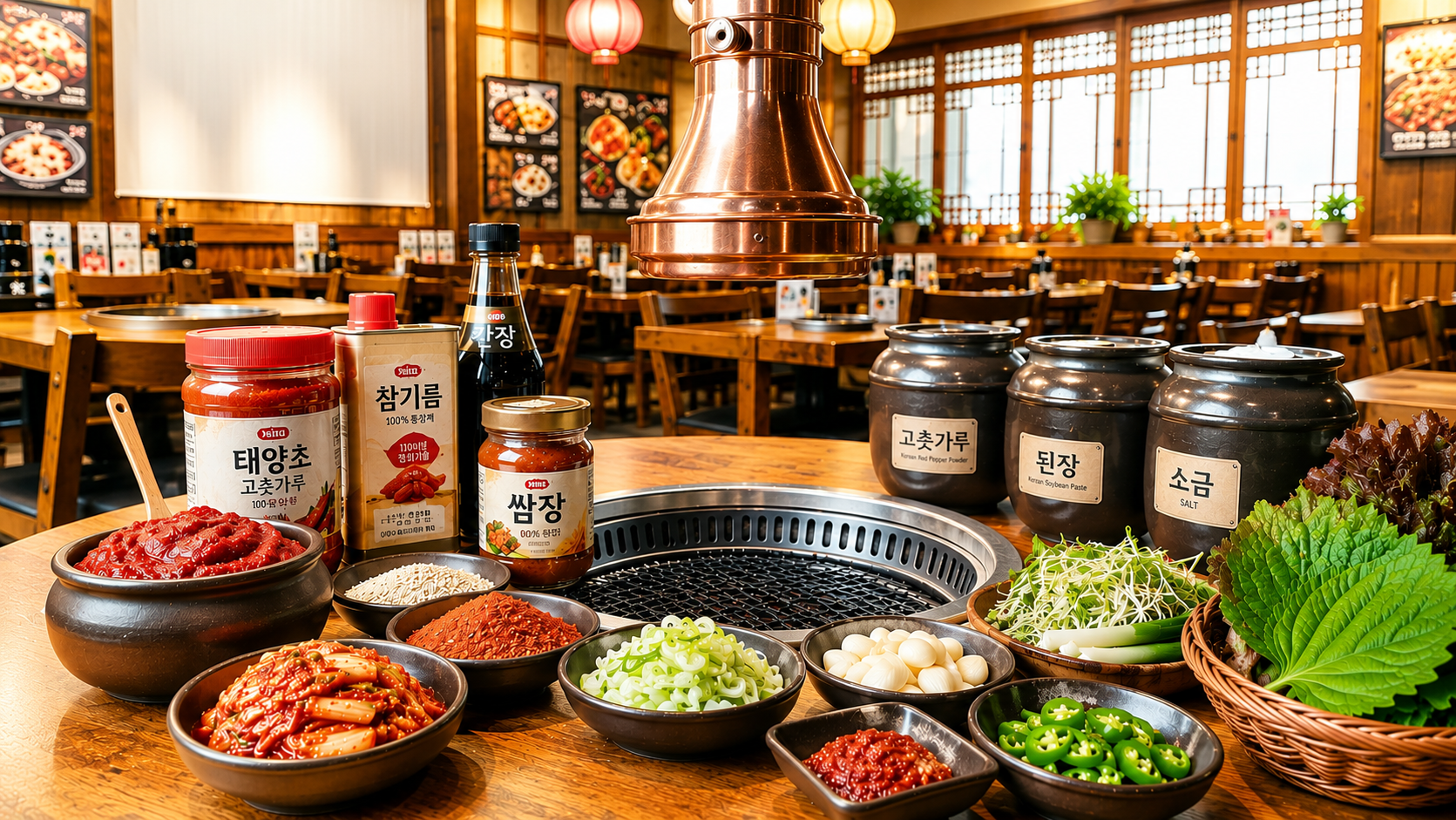
Korean seasonings are becoming increasingly popular in Vietnam, driven by the Korean food trend and demand for convenient cooking. This creates opportunities for businesses to develop high-quality products tailored to local tastes. CiCook offers end-to-end ODM/OEM solutions to help brands build competitive seasoning products
Over the past decade, cultural exchange between Vietnam and South Korea has expanded far beyond music and entertainment into the culinary world. Korean seasonings have become staples in many Vietnamese kitchens and essential ingredients for restaurants and F&B chains.
1. The Korean Flavor Boom in Vietnamese Kitchens
Kimchi, Korean BBQ, and vibrant red chili sauces have become increasingly common in everyday meals, especially among younger consumers. What began as curiosity has evolved into a lasting consumer trend. Korean seasonings offer more than distinctive flavors—they create exciting dining experiences, inspire creativity in cooking, and bring global cuisine closer to Vietnamese households.
2. Why Korean Seasonings Appeal to Vietnamese Consumers
Several factors contribute to the growing popularity of Korean seasonings in Vietnam:
- Balanced flavor profiles: Products such as Gochujang, Doenjang, and Korean BBQ marinades combine spicy, savory, sweet, and fermented notes that closely match Vietnamese taste preferences.
- Convenience: Korean seasoning products are typically well-packaged with clear cooking instructions, allowing home cooks to prepare authentic dishes without advanced culinary skills.
- Modern dining culture: Korean cuisine is closely associated with table-top grilling, communal dining, and trendy fast-casual meals, making it especially attractive to younger consumers who enjoy sharing food experiences on social media.
3. Growing Demand for High-Quality Korean Seasonings in Vietnam
As demand continues to rise, experienced manufacturers such as CiCook are helping local food businesses develop Korean-inspired seasoning solutions.
- Localized flavor development: CiCook's experienced R&D team adapts Korean recipes to better match Vietnamese preferences while preserving authentic Korean characteristics.
- Food safety and quality: Products manufactured by CiCook follow internationally recognized food safety management systems such as HACCP, ISO 22000, and FSSC 22000, helping brands build consumer trust.
- Competitive pricing: Domestic manufacturing significantly reduces logistics costs compared with imported products, making premium Korean-inspired seasonings more affordable for the Vietnamese market.
4. Growth Opportunities for Food Brands
Businesses looking to capitalize on this trend can consider the following strategies:
1. Expand product portfolios
Go beyond traditional chili paste by developing Korean BBQ marinades, hot pot dipping sauces, and complete Korean soup seasoning solutions with support from CiCook.
2. Partner with an experienced manufacturer
Collaborate with manufacturers that possess strong production capabilities and R&D expertise, such as CiCook, to create customized private-label Korean-inspired seasoning products.
3. Focus on customer experience
Support products with easy-to-follow recipes, cooking tutorials, and engaging social media content that encourages consumers to recreate Korean dishes at home.
Conclusion
The Korean seasoning market in Vietnam continues to offer significant growth opportunities. By meeting consumer demand for convenience, food safety, and authentic flavors—and by partnering with experienced manufacturers like CiCook—brands can successfully establish themselves in one of Vietnam's fastest-growing food categories.
Frequently Asked Questions
1. Why have Korean seasonings become so popular among Vietnamese consumers?
Answer: Korean seasonings combine balanced spicy, savory, and sweet flavors that align well with Vietnamese tastes. Their convenience, modern dining culture, and strong cultural influence have also contributed to their widespread popularity.
2. What advantages do Vietnamese businesses gain by manufacturing Korean-style seasonings domestically?
Answer: Local production reduces logistics costs, improves pricing competitiveness, enables flavor customization for Vietnamese consumers, and ensures compliance with international food safety standards such as HACCP and ISO 22000.
3. How can a new seasoning brand compete with imported Korean products?
Answer: Brands should diversify their product range, partner with experienced ODM manufacturers to develop unique formulations, and strengthen customer engagement through recipes, cooking videos, and practical product demonstrations.
#CiCook #CiCookFactory #ODMManufacturing #OEMManufacturing #FreshSeasonings #PrivateLabel #ChefLessSolution #FranchiseInABox #ISO22000 #HACCP #FDACertified #FlavorInnovation #ProfessionalSeasoningManufacturing