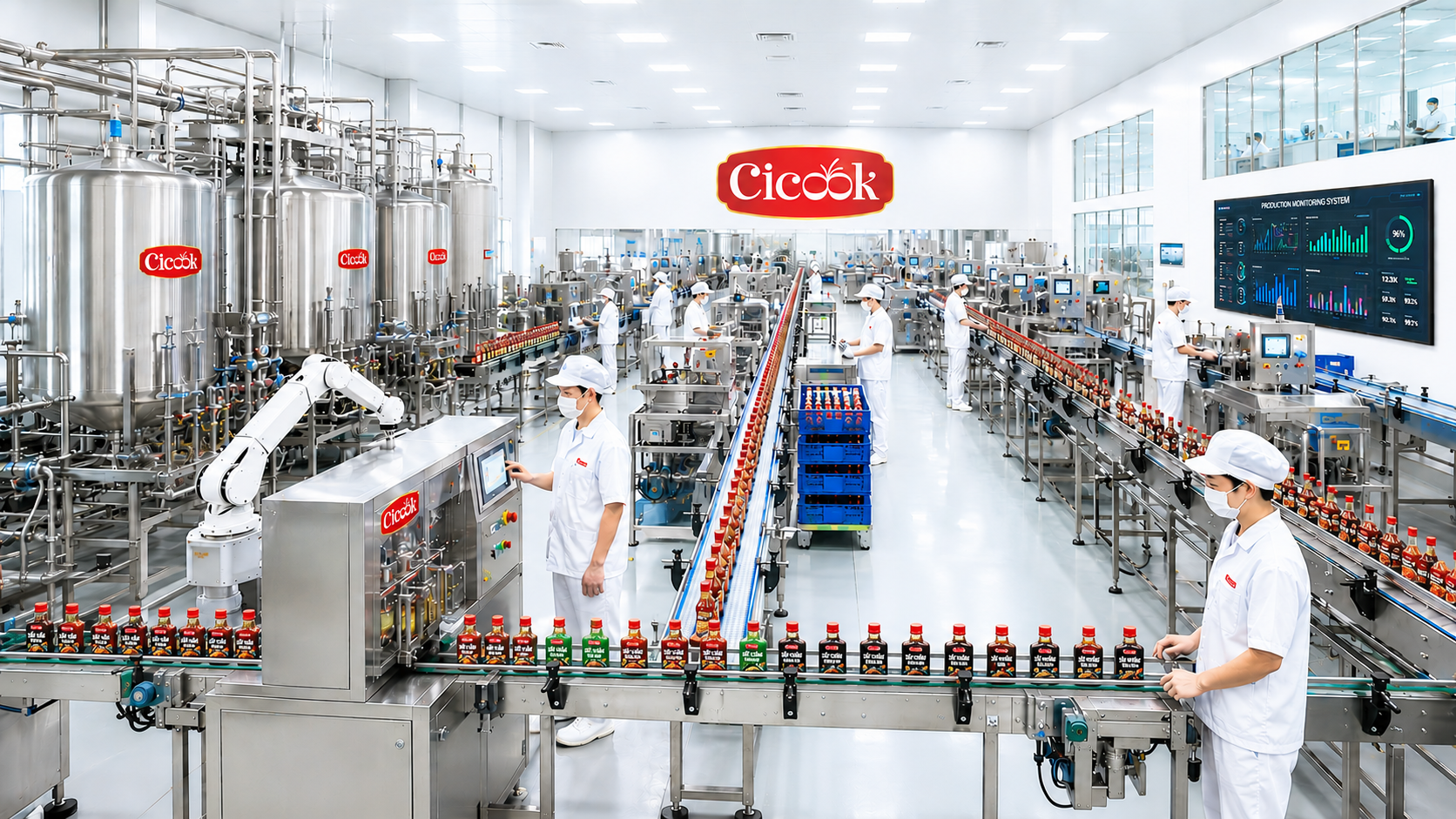
Vietnam’s seasoning industry has strong growth potential but still faces challenges in quality, international standards, and traceability. CiCook provides end-to-end ODM/OEM solutions, helping businesses standardize production, meet export requirements, and build sustainable, competitive brands
As Vietnam continues to build its reputation as a global culinary destination, seasonings remain the heart of its rich food culture. However, the current state of quality across Vietnam's seasoning industry presents a mixed picture—one of remarkable growth alongside ongoing challenges in quality control, standardization, and food safety.
1. A Market Defined by Uneven Quality
Vietnam's seasoning industry is increasingly divided into two distinct segments.
On one side are established manufacturers equipped with modern production facilities that comply with international food safety standards. On the other are numerous small-scale producers relying on traditional manufacturing methods, where product consistency and quality control remain significant concerns.
This quality gap creates uncertainty for consumers and presents a major challenge for businesses working to elevate the reputation of Vietnamese seasonings.
2. The Major Quality Barriers Facing the Industry
Several key factors continue to limit industry-wide standardization.
Inconsistent Raw Material Supply
Essential ingredients such as chili peppers, garlic, black pepper, and ginger are often sourced from numerous small farms with varying cultivation practices. This makes it difficult to consistently control pesticide residues, contaminants, and ingredient quality.
Limited Manufacturing Technology
Many producers still rely on manual blending and traditional processing techniques, resulting in noticeable variations between production batches. Such inconsistency creates challenges for restaurant chains and large-scale food businesses that require standardized flavor profiles.
Insufficient Investment in Research & Development
Without strong R&D capabilities, many manufacturers struggle to develop healthier formulations or innovative products that align with evolving global food trends and consumer expectations.
3. The Shift Toward Professional ODM Manufacturing
To overcome these challenges, many Vietnamese food brands are partnering with professional ODM manufacturers such as CiCook.
This manufacturing model addresses quality challenges at their source.
Technology-Driven Standardization
Automated production systems eliminate many of the inconsistencies associated with manual manufacturing, ensuring every batch meets predefined quality specifications.
Transparent Ingredient Control
Professional manufacturers implement strict supplier qualification and raw material inspection procedures, sourcing ingredients from trusted agricultural regions to minimize contamination risks before production begins.
International Standards as the Foundation
Manufacturers operating under internationally recognized systems such as ISO 22000, HACCP, and FSSC 22000 produce seasonings that are suitable not only for Vietnam's domestic market but also for export to demanding international markets.
4. A Roadmap for Elevating Vietnam's Seasoning Industry
Businesses seeking long-term growth should prioritize several strategic initiatives.
1. Invest in Manufacturing Systems, Not Just Production Volume
Partner with internationally certified manufacturing facilities that deliver sustainable quality rather than focusing solely on output capacity.
2. Strengthen Research & Development
Continue developing clean label products and healthier seasoning formulations that meet the growing expectations of health-conscious consumers.
3. Build Trust Through Transparency
Clearly communicate ingredient sourcing, manufacturing processes, and quality assurance practices. Transparency remains one of the most valuable assets for any food brand.
Conclusion
Vietnamese seasonings possess tremendous potential to become ambassadors of Vietnamese cuisine around the world.
Improving industry-wide quality requires long-term commitment rather than short-term solutions. Companies that prioritize food safety, technological innovation, research and development, and transparent manufacturing practices will shape the future of Vietnam's seasoning industry and strengthen its global reputation.
Frequently Asked Questions
1. Why is inconsistent quality among seasoning brands a major challenge for Vietnam's food industry?
Answer:
Inconsistent product quality reduces consumer confidence and makes it difficult for restaurant chains and food businesses to maintain standardized flavors across multiple locations, ultimately limiting brand growth and international competitiveness.
2. How does the ODM manufacturing model help improve seasoning quality?
Answer:
ODM manufacturers utilize automated production systems, rigorous raw material control, and internationally recognized food safety standards such as ISO 22000, HACCP, and FSSC 22000 to deliver consistent quality across every production batch while minimizing human error.
3. What should seasoning companies do to transition from traditional production to internationally recognized manufacturing?
Answer:
Businesses should invest in certified manufacturing processes rather than focusing solely on production volume, strengthen R&D to develop clean label and health-focused products, and build long-term consumer trust through transparent ingredient sourcing and manufacturing practices.
#CiCook #CiCookFactory #ODMManufacturing #OEMManufacturing #PrivateLabel #VietnameseSeasonings #FoodInnovation #CleanLabel #ChefLessSolution #FranchiseInABox #ISO22000 #HACCP #FSSC22000 #FDACertified #FoodQuality